
The critical role that high-quality coatings play in a variety of industries, from protecting equipment from corrosion to enhancing the aesthetic appeal of consumer products. In this comprehensive guide, we’ll delve into the diverse world of coatings, exploring their protective, decorative, functional and high-performance applications.
We’ll also highlight the growing trend towards sustainable and environmentally friendly solutions, giving you a thorough understanding of how these coatings not only protect and beautify, but also contribute to a more sustainable future. Whether you’re in the oil and gas sector, the automotive industry or involved in public infrastructure, this article will be your go-to resource for selecting the right coating for your specific needs..
Exploring Protective Coatings for Industrial Applications
When it comes to industrial settings, the importance of protective coatings cannot be overstated. These coatings are the unsung heroes that shield equipment and structures from the harshest environments. From epoxy to polyurethane and zinc-rich coatings, each type offers unique benefits tailored to specific needs. For instance, epoxy coatings are renowned for their corrosion resistance, making them a staple in the oil and gas industry. On the other hand, polyurethane coatings excel in chemical resistance, making them ideal for the marine industry. Zinc-rich coatings are the go-to for abrasion resistance, often used in the automotive sector. To give you a clearer picture, here’s a quick comparison of these coatings:
| Type of Coating | Properties | Applications |
|---|---|---|
| Epoxy | Corrosion Resistance | Oil and Gas |
| Polyurethane | Chemical Resistance | Marine |
| Zinc-Rich | Abrasion Resistance | Automotive |
Experts in the field emphasize that choosing the right coating is crucial for extending the lifespan of industrial equipment. For example, in the oil and gas industry, using an epoxy coating can prevent costly downtime due to corrosion.
Similarly, in the marine industry, a polyurethane coating can withstand the harsh chemical environment, ensuring the longevity of ships and offshore structures. In the automotive sector, zinc-rich coatings provide the necessary abrasion resistance to keep vehicles in top condition.
In conclusion, understanding the specific functions and applications of these protective coatings can make a significant difference in industrial maintenance and longevity. Whether it’s corrosion resistance, chemical resistance, or abrasion resistance, there’s a coating designed to meet those needs.
Decorative Coatings: Enhancing Aesthetic Appeal
When it comes to decorative coatings, the goal is to transform surfaces into visually stunning masterpieces. These coatings are not just about looks; they also offer durability and a variety of finish options.

For instance, powder coatings are popular in interior design and automotive customization due to their resistance to chipping and wide range of colors. Imagine a sleek, matte black finish on a car that not only looks amazing but also withstands the elements.
Another fascinating type is anodizing, often used in consumer electronics. This process not only enhances the appearance but also increases the corrosion resistance of metals like aluminum. Think of your smartphone’s elegant, metallic finish—it’s not just for show; it’s built to last.
Then there’s electroplating, a technique that adds a thin layer of metal to a surface. This is commonly seen in jewelry and high-end fixtures, offering a luxurious look while protecting the underlying material. Whether it’s a gold-plated watch or a chrome faucet, the benefits are clear: aesthetic appeal combined with long-lasting protection.
Experts advise choosing the right type of decorative coating based on the specific needs of your project. Whether you’re revamping your home, customizing your car, or designing the next must-have gadget, the right coating can make all the difference.
Functional Coatings: Beyond Protection and Beauty
When we talk about functional coatings, we’re diving into a realm that goes far beyond mere protection and aesthetics. These coatings are engineered to offer additional functionalities that can revolutionize the way we think about surfaces.
Take, for instance, anti-graffiti coatings. These are specially formulated to prevent paint and other substances from adhering to surfaces, making it incredibly easy to clean off any unwanted marks. Imagine the impact this has on public transportation systems, where graffiti is a constant battle. With anti-graffiti coatings, maintenance becomes a breeze, saving both time and money. Another fascinating type is anti-microbial coatings.

These are designed to inhibit the growth of bacteria and other microbes, making them indispensable in hospitals and other healthcare settings. The science behind these coatings often involves the incorporation of silver ions or other antimicrobial agents that disrupt the cellular processes of microbes, effectively neutralizing them.
This not only helps in maintaining a sterile environment but also significantly reduces the risk of infections. Let’s not forget about self-cleaning coatings. These coatings are often based on nanotechnology and work by creating a superhydrophobic surface that repels water and dirt.
Think about high-traffic areas like shopping malls or airports. The application of self-cleaning coatings can drastically reduce the need for frequent cleaning, thereby cutting down on labor and cleaning supplies. Here’s a quick comparison table to illustrate the effectiveness of these coatings:
| Type of Coating | Primary Function | Common Applications | Effectiveness |
|---|---|---|---|
| Anti-Graffiti | Prevents adhesion of graffiti | Public transportation, urban areas | High |
| Anti-Microbial | Inhibits microbial growth | Hospitals, healthcare facilities | Very High |
| Self-Cleaning | Repels water and dirt | High-traffic areas, commercial buildings | Moderate to High |
To drive the point home, consider a case study involving a major hospital that implemented anti-microbial coatings in its operating rooms. The result? A significant drop in post-operative infections, leading to faster patient recovery times and lower healthcare costs. This real-life example underscores the transformative power of functional coatings in enhancing both safety and efficiency.
High-Performance Coatings for Extreme Conditions
When it comes to extreme environments, not just any coating will do. We’re talking about high temperatures, UV exposure, and even underwater conditions.
This is where high-performance coatings like ceramic coatings, fluoropolymer coatings, and thermal barrier coatings come into play. These coatings are engineered to withstand the harshest conditions, making them indispensable in industries like aerospace, military, and offshore operations.
What makes these coatings so special? Ceramic coatings offer exceptional heat resistance and durability, perfect for high-temperature applications. Fluoropolymer coatings provide outstanding chemical resistance and UV stability, ideal for outdoor and marine environments.
Thermal barrier coatings are designed to insulate and protect surfaces from extreme heat, making them crucial in aerospace and industrial applications. Below is a table summarizing the properties and applications of these high-performance coatings:
| Coating Type | Properties | Applications |
|---|---|---|
| Ceramic Coatings | High heat resistance, durability | Aerospace, automotive, industrial machinery |
| Fluoropolymer Coatings | Chemical resistance, UV stability | Marine, outdoor structures, chemical plants |
| Thermal Barrier Coatings | Heat insulation, surface protection | Aerospace, power generation, industrial furnaces |
In the aerospace industry, these coatings are not just a luxury but a necessity. They protect aircraft components from extreme temperatures and corrosive environments. In the military, high-performance coatings ensure that equipment can withstand the rigors of combat and harsh climates.
Offshore industries rely on these coatings to protect structures and machinery from the relentless assault of saltwater and UV radiation. So, if you’re dealing with extreme conditions, don’t settle for less. Opt for high-performance coatings that are designed to last and protect, no matter what Mother Nature throws at them.
Sustainable and Eco-Friendly Coating Solutions
In an era where sustainability is more than just a buzzword, the coatings industry is making significant strides towards eco-friendly solutions. The demand for water-based, low-VOC, and bio-based coatings is skyrocketing, driven by both regulatory pressures and consumer awareness. These sustainable coatings not only minimize environmental impact but also offer robust performance characteristics that rival traditional options.
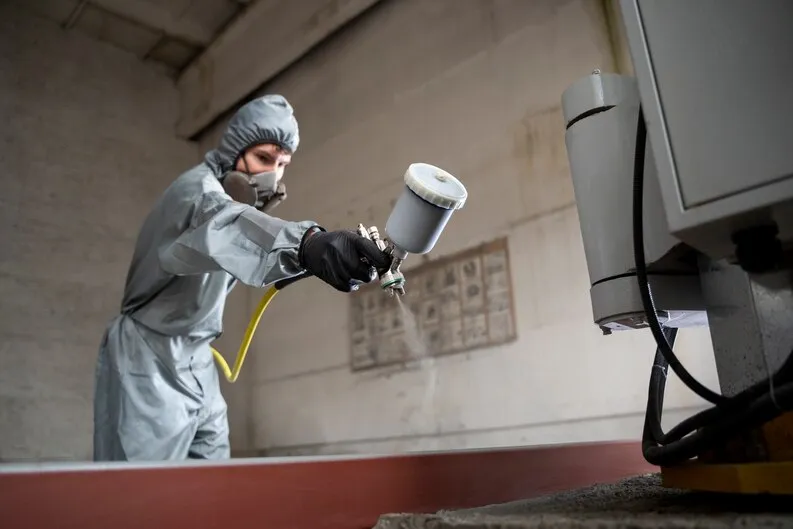
Environmental benefits of these coatings are substantial. Water-based coatings reduce the emission of harmful volatile organic compounds (VOCs), making them safer for both the environment and human health. Bio-based coatings, derived from renewable resources, further lessen the carbon footprint. Companies like Sherwin-Williams and AkzoNobel are at the forefront, pioneering sustainable innovations that set new industry standards.
Looking ahead, the future of eco-friendly coatings is promising. Innovations such as self-healing coatings and nanotechnology are expected to revolutionize the market. These advancements not only enhance durability and efficiency but also contribute to a more sustainable planet. The coatings industry is clearly on a path towards a greener future, driven by both necessity and innovation.
- Sustainability in the coatings industry
- Importance of eco-friendly coatings
- Water-based, low-VOC, and bio-based coatings
- Environmental benefits and performance characteristics
- Leading companies in sustainable coatings
- Future trends and innovations in eco-friendly coatings